
Lucknow has just had an evening that was much more than trophies and official acclaim. The focus at the grandiose Times of India Sports Awards (TOISA) 2026 was not only about the accomplishments but also about character and impulsiveness, as well as the human aspect of the sportsmen.
The third time the event took place in the city, it combined the sporting excellence with glamour that resulted in an ambience that was more of a celebration than a ceremony. Olympians and budding sportspersons came together; athletes of all fields were under one roof, making the night a rarity of an ecological meeting of sport in India.
However, the most memorable part was one that became the mood of the night, a dynamic, unanticipated recital by women cricketers of India.
When the Stage Belonged to the Women in Blue
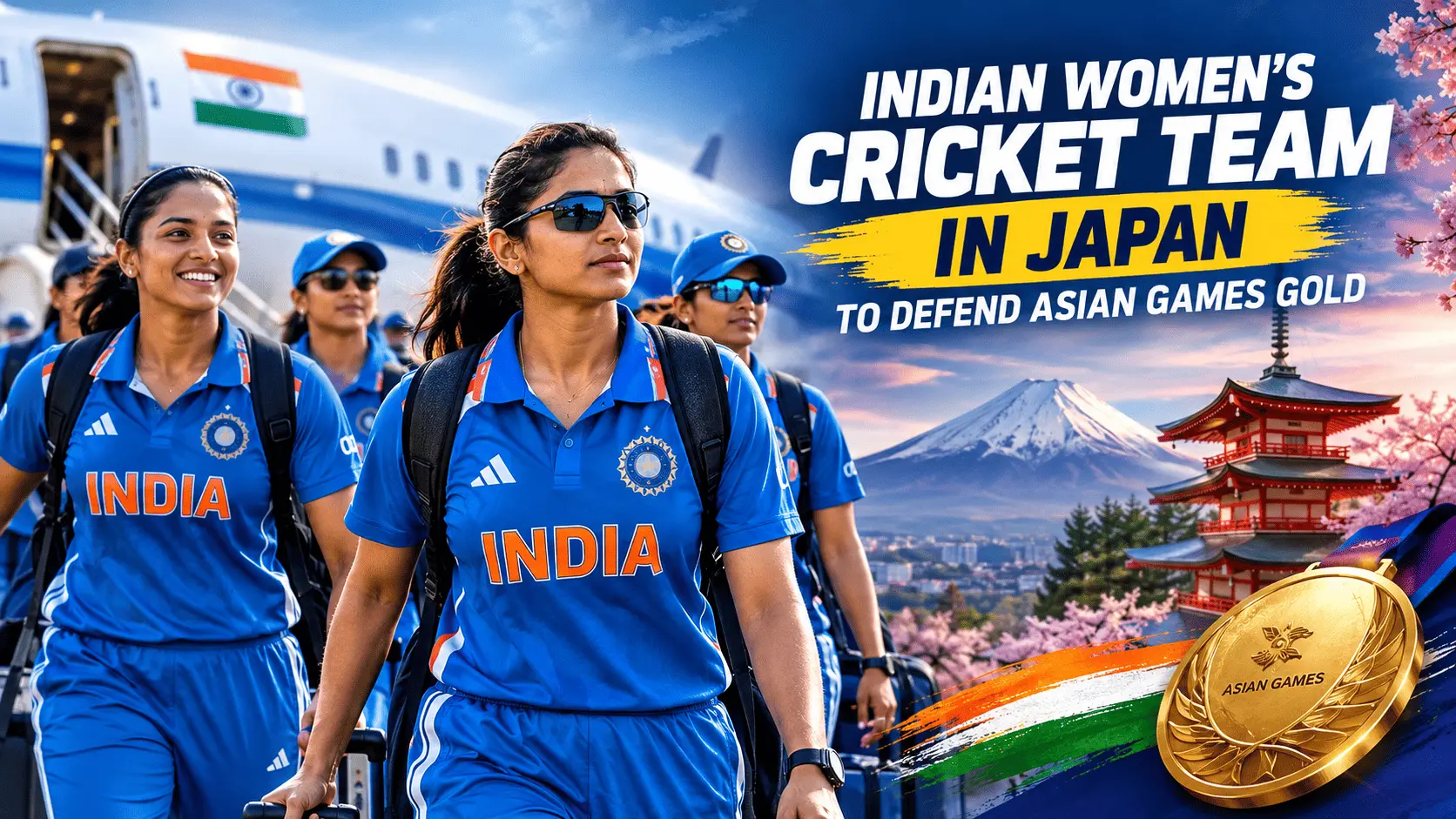
The atmosphere became more cheerful at midnight when the Indian women’s cricket team members received their stage invitation. Harmanpreet Kaur led the team which included Deepti Sharma, Harleen Deol and Shafali Verma.
The performance unfolded without any prior plan because it maintained its improvisational nature. Their conversation developed into a personal dialogue which fused laughter with authentic friendship between the two parties. The players were appointed to talk about each other in cricketing terms, a creative twist that indicated their chemistry off the field.
The competitive atmosphere of international cricket shows a different side to players which people find easy to understand.
More than Cricket: A Peek at Their Personalities.
Such moments do not occur frequently during matches and press conferences. In the field, the performance, discipline, and strategy define the players. Out on the field, though, they carry stories, friendships, and personalities that the fans can hardly see on the field.
Throughout the engagement, the cricketers discussed such daily routines as social media weirdness, shopping experiences during travelling, and so on. Such minor details established the rapport with the viewers, and the players became more relatable and natural.
These glimpses are useful in closing the gap between fans and athletes and transforming admiration into relatability.
The Role of Events Like TOISA
The Times of India Sports Awards has now developed beyond the award ceremony. It has turned out to be a medium through which success is celebrated, but also the process leading to it.
As an event with acknowledgement in 45 categories, the event helped showcase success in a wide range of sports, including para-athletics, which represents a more inclusive and wider vision of Indian sport.
TOISA is unlike the traditional ceremonies, which are concerned with storytelling. An award is not only a title but a story of hard work, determination and struggle.
An Inspirational Instinctive Moment
Though the evening was filled with celebrational moments, it was full of emotion. Among the strongest emotional moments was one when para-athlete Vaibhav Gautam was standing up and being applauded by the audience as he accepted his award.
Such moments were helping to support the actual meaning of the event, which should be not only the honouring of victories but also the paths on which they come.
The cheerful dance of the female cricketers therein gave the evening another aspect, since it demonstrated that power and success may go hand in hand with happiness and effervescence.
Why This Moment Matters
On the face of it, the performance of a dance at an award ceremony may be a minor event. But in the real sense it is a lot more.
It shows:
- How much women’s cricket has come in terms of visibility.
- How sportsmen are now glorified more than figures.
- The way sport is becoming more open and expressive.
Above all, it emphasises the need to humanise the athletes, to enable fans to see them not only as athletes but also as people.
More Than an Awards Celebration.
When the evening ended, it was not only a list of the winners that was left behind, but also also a certain emotion, the emotion which was pride, inspiration, and joy at the same time.
The applause, the dances, the conversation, and above all, the laughter and all combined into a kind of experience that no one in the room could forget.
Eventually, the dancing queens of cricket moment was not entirely entertaining. It has turned into an icon of the fact that modern sport has ceased being purely a performance, but it is also a matter of expression, connection, and celebration.